- 1123 Gaskins Rd Ste 300 Richmond, VA 23238
- (804) 404-3482

Symptoms from Occipital Neuralgia respond well when individual fiber strokes release the chronically shortened myofascial fibers that hold distortions in the neck and shoulders, causing shoulder or neck pain, limiting range of motion, and severely restricting proper function of the muscle. These fibers include scar tissue adhesions within and between muscles and layers of facia, bunching and thickening of fibers around muscle attachments, and bunching and thickening of tissues around joints. Significant results are usually achieved by using specialized myofascial release protocols integrated with cranial release.
Treatment Goals
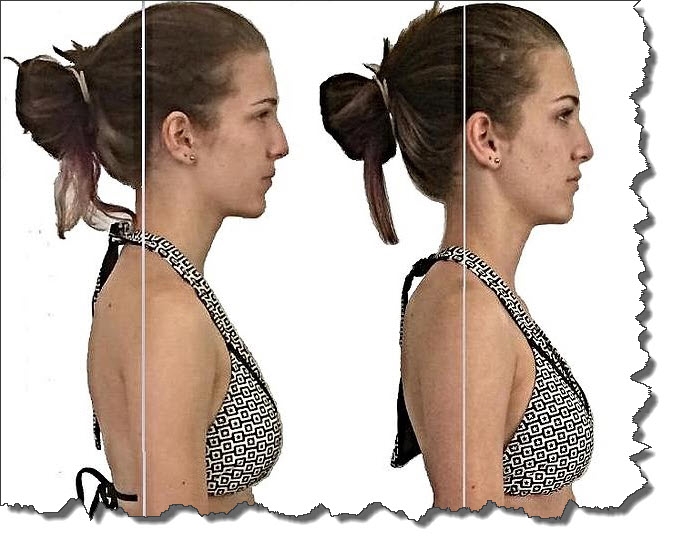
normalization of structure of neck
normalization of trigger points, trigger point referral zones, and related of muscles
Mobilization cranium including the occiputal and OM (occipital/mastoid)
mobilization of splinting immobilization
increase range of motion
diminish, ischemia, fluid and inflamation
release muscle spasms
relieve nerve entrapments from adhesions spasms, scar tissue
normalize energy flow through accupressure meridians
increase energy flow through damaged tissues for healing
release charachter armor
release clients emotional charge
alleviate neck pain
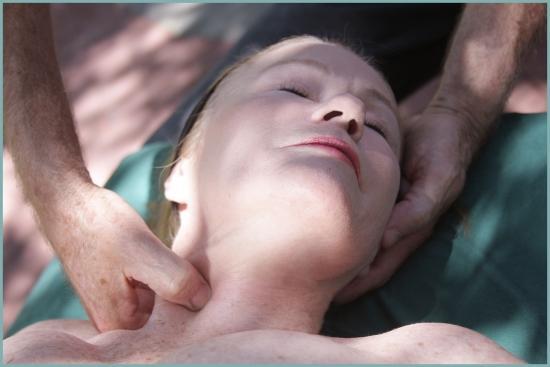
Many motor vehicle accident victims will experience multiple injuries as well as emotional trauma. The combination of Quick Release Technique and advanced massage therapy techniques is very effective. Although the whole body is involved, several conditions that occur in the head, neck and shoulders as a result of a motor verhicle accident are:
misalignment of the structure of the neck, usually a reverse curvature
splinting by the body to immobilize the neck due to damaged tissue
myofascial holding patterns that limit the range of motion of the neck and shoulders
emotional stress creating pain and contraction tissue that is blocking the experience of the pain or emotion
cranial distortions and compressions
nerve entrapments resulting from tightened in spasm
adhesions scar tissue and damage tissue
swelling and inflammation of cervical muscles
inflammation of cervical muscles
inflammation and swelling of nerve tissues
shortening of the soft tissue in the posterior neck, causing a jamming of the occiput, atlas and axis
The application of theses treatment protocols will address the condition and relieve whiplash symptoms by:
releasing the reverse curvature of the neck allowing the client to lie more comfortably in a supine position
mobilizing muscles that have become splinted to protect the injured area
initiating the release of the myofacial holding patterns
mobilizing the energy that blocks the experience of pain or emotions surrounding the accident
initiating the release of muscle spasm taking pressure off nerve entrapments
decompressing the cranium and mobilize the occiput
reducing the swelling and inflammation of cervical muscles and nerve tissues
mobilize the occiput, atlas, and axis
reducing the pain in the trigger points referral zones
opening the acupressure meridians to increase the energy flow through damage tissues tissue for healing.
